
That tingling in your feet – maybe it feels like pins and needles, or like your foot fell asleep and won’t wake up. Sometimes it’s a buzzing sensation, like your feet are vibrating from the inside. If you’re dealing with this, you know how annoying and sometimes scary it can be.
Tingling feet affect millions of people, and the sensation can range from mildly irritating to downright unbearable. Let’s explore what’s really causing that tingling, when to worry, and what you can actually do to make it stop.
Understanding That Tingling Feeling
Tingling happens when nerves in your feet aren’t sending proper signals to your brain. It’s like static on an old TV – the signal is there, but it’s scrambled and unclear.
Your nerves are constantly sending messages: “The floor is smooth.” “Your sock is bunched up.” “That water is warm.” When these nerves get compressed, damaged, or aren’t getting enough blood, they start misfiring. Your brain receives these jumbled signals and interprets them as tingling, buzzing, or that pins-and-needles feeling.
Sometimes tingling is temporary – like when you sit cross-legged too long and your foot falls asleep. But when it happens regularly or won’t go away, something more serious might be going on.
Common Causes of Tingling Feet
Poor Circulation: When Blood Can’t Flow Freely
Your feet are at the end of a long journey for your blood. It has to travel all the way down from your heart, then fight gravity to get back up. When circulation is poor, nerves don’t get enough oxygen and nutrients.
Without proper blood flow, nerves start sending distress signals. That’s the tingling you feel. It’s like your nerves are gasping for air. People who sit all day, smokers, and those with heart problems often deal with circulation-related tingling.
The tingling might be worse when you’ve been sitting or lying down. It might improve when you move around and get blood pumping. Your feet might also feel cold or look pale when circulation is the problem.
Nerve Compression: When Nerves Get Squeezed
Sometimes a nerve gets pinched or compressed. This can happen in your back, where nerves exit your spine, or down in your foot itself. Sciatica is a common example – a nerve in your lower back gets compressed and you feel tingling all the way down to your toes.
Tight shoes can compress nerves in your feet. So can swelling from standing too long. Even the way you sit or sleep can put pressure on nerves. The tingling from compression often affects specific areas rather than your whole foot.
This type of tingling might come with numbness or weakness. It might get worse in certain positions and better in others. Sometimes just changing your position or loosening your shoes brings relief.
Diabetes and Blood Sugar Problems
High blood sugar is poison to nerves. Over time, it damages the tiny nerve fibers in your feet, causing a condition called diabetic neuropathy. The tingling often starts in your toes and gradually spreads.
What makes this scary is that tingling can be an early warning sign of diabetes. Your feet are telling you something’s wrong with your blood sugar before other symptoms appear. If you have unexplained tingling plus increased thirst, frequent urination, or blurry vision, see a doctor.
Even if you’re not diabetic yet, pre-diabetes can cause tingling. Your blood sugar is high enough to damage nerves but not high enough for a diabetes diagnosis. Catching it early can prevent serious problems.
Vitamin Deficiencies: When Your Nerves Are Hungry
Your nerves need specific vitamins to work properly. When they don’t get them, tingling is often the first sign.
Vitamin B12 is the big one. Your nerves need B12 to maintain their protective coating. Without it, nerve signals get scrambled. Older adults often don’t absorb B12 well from food. Vegetarians might not get enough. Certain medications block B12 absorption.
Vitamin B1 (Thiamine) deficiency causes tingling too, especially in people who drink heavily. Vitamin B6 is tricky – too little causes problems, but so does too much. Vitamin D deficiency has also been linked to tingling feet.
The good news? Vitamin deficiencies are usually fixable with supplements or diet changes. But you need blood tests to know what you’re actually low in.
Anxiety and Stress: The Mind-Body Connection
This might surprise you, but anxiety can absolutely cause tingling feet. When you’re stressed or anxious, you breathe differently – often shallow and fast. This changes your blood chemistry and can trigger tingling.
Anxiety also makes you hyperaware of body sensations. A minor tingle that you’d normally ignore becomes a major focus. The more you focus on it, the worse it seems. It’s a vicious cycle.
Panic attacks often cause tingling in feet and hands. The fight-or-flight response diverts blood from your extremities to vital organs. Your feet get less oxygen temporarily, causing that tingling sensation.
Alcohol and Toxins
Regular heavy drinking damages nerves directly. Alcohol is toxic to nerve tissue. It also blocks absorption of important vitamins, especially B vitamins. The combination creates what’s called alcoholic neuropathy.
The tingling from alcohol damage often comes with burning pain. It usually starts in the feet and can spread upward. The cruel part? Once nerves are damaged by alcohol, they might not fully recover even if you quit drinking.
Other toxins can cause tingling too. Lead, mercury, and certain chemicals. Some chemotherapy drugs are notorious for causing tingling feet. Even some antibiotics and other medications list tingling as a side effect.
Different Types of Tingling Sensations
Not all tingling feels the same. Understanding your specific sensation helps identify the cause.
Classic Pins and Needles: Like when your foot falls asleep. Usually from temporary nerve compression or poor circulation. Often goes away quickly once you move.
Buzzing or Vibrating: Feels like your foot is vibrating internally. Often related to nerve damage or neuropathy. Might be constant or come in waves.
Electric Zaps: Quick, sharp tingles that feel like tiny electric shocks. Often from nerve irritation or damage. Can be quite startling.
Crawling Sensation: Feels like bugs crawling under your skin. Can be from neuropathy or sometimes restless leg syndrome.
Burning Tingle: Tingling mixed with burning pain. Common with diabetic neuropathy and other nerve damage.
Numb Tingling: Paradoxically, you might feel tingling and numbness together. The area feels dead but also has that prickly sensation.
When Tingling Feet Need Medical Attention
Some tingling is harmless, but certain patterns are red flags:
See a doctor soon if:
- Tingling lasts more than a few days
- It’s getting progressively worse
- You have diabetes or risk factors for it
- Tingling spreads up your legs
- You’re losing strength or coordination
- You have back pain with the tingling
Get immediate help if:
- Sudden tingling with weakness or paralysis
- Tingling after a head or back injury
- Loss of bladder or bowel control
- Tingling with confusion or difficulty speaking
- Tingling on one side of your body (could be stroke)
Practical Steps to Reduce Tingling
While you’re figuring out the cause, here’s what can help:
Move More: Even a five-minute walk every hour helps circulation. Can’t walk? Pump your ankles, wiggle your toes, do seated marches.
Check Your Position: Uncross your legs. Make sure your chair isn’t cutting off circulation. Sleep with a pillow between your knees if you’re a side sleeper.
Loosen Up: Check if shoes, socks, or clothing are too tight. Even a tight waistband can affect nerve signals to your feet.
Warm Water Soaks: Not too hot – test with your elbow. Add Epsom salt if you want. 15 minutes can calm irritated nerves.
Massage Gently: Use your hands or a tennis ball to massage your feet. This improves circulation and can calm nerve firing.
Manage Stress: Deep breathing, meditation, or just watching something funny can reduce anxiety-related tingling.
Stay Hydrated: Dehydration affects nerve function. Aim for clear or light yellow urine as a hydration guide.
NMES: A Solution for Chronic Tingling
When tingling comes from nerve damage or neuropathy, you need treatments that target the nerves directly. That’s where NMES (neuromuscular electrical stimulation) comes in.
NMES uses gentle electrical pulses to stimulate nerves and improve circulation. It’s been used in hospitals and physical therapy clinics for decades. The electrical stimulation helps retrain nerves to send proper signals and increases blood flow to affected areas.
For people with chronic tingling from neuropathy, poor circulation, or nerve damage, NMES can provide real relief. It’s not just masking the sensation – it’s actually helping nerves function better.
The NeuroGo foot massager uses medical-grade NMES technology in a simple home device. Just 15 minutes daily can help reduce tingling sensations and improve overall foot health. Many users report that the tingling decreases significantly after a few weeks of regular use.
Always consult your healthcare provider about persistent tingling, especially if you have diabetes or other health conditions.
Living with Tingling Feet
While you work on fixing the underlying cause, here’s how to cope:
Keep a Symptom Diary: Note when tingling happens, what makes it better or worse, and any other symptoms. This helps identify patterns and triggers.
Protect Your Feet: If tingling comes with numbness, check your feet daily for injuries. You might not feel cuts or blisters.
Choose Good Footwear: Proper fitting shoes with cushioning and support. Avoid high heels and pointy toes that compress nerves.
Maintain Good Posture: Poor posture can compress nerves in your back that affect your feet. Sit up straight, stand tall.
Control What You Can: If you have diabetes, manage your blood sugar. If you’re deficient in vitamins, take supplements. If stress is a factor, find ways to relax.
The Bottom Line
Tingling feet sensation can range from a minor annoyance to a sign of serious problems. The key is paying attention to patterns and getting help when needed.
Most tingling has a fixable cause – whether it’s improving circulation, correcting vitamin deficiencies, managing diabetes, or relieving nerve compression. Even chronic tingling from neuropathy can often be improved with the right approach.
Don’t ignore persistent tingling. Your feet are trying to tell you something. Listen to them, get proper diagnosis, and take action. With the right treatment and daily care, you can reduce or eliminate that annoying tingling and get back to comfortable walking.
Your feet deserve to feel normal again. Whether that means better shoes, more movement, treating underlying conditions, or trying newer therapies like NMES, relief is possible. Start with one small change today and build from there.
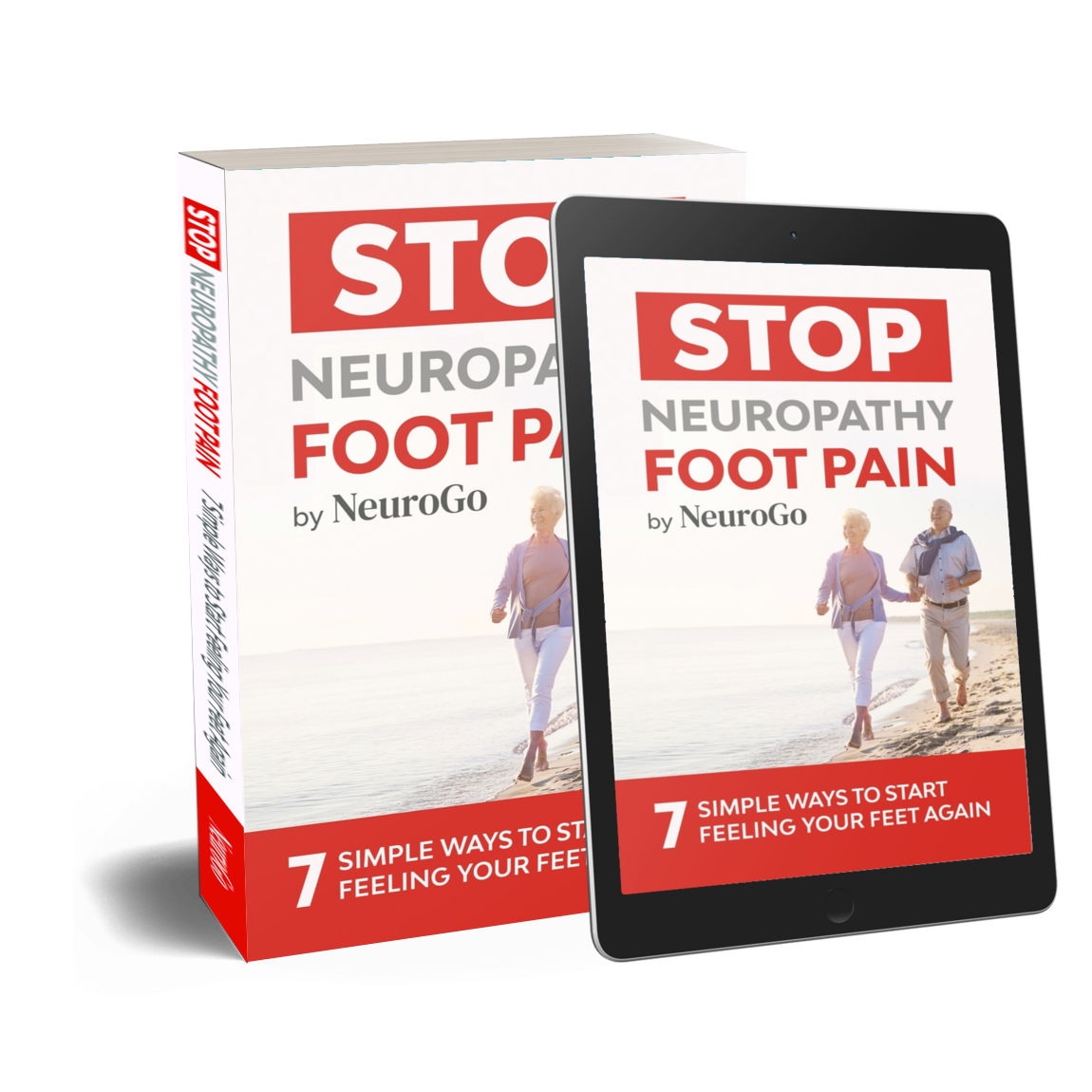
Stop Neuropathy Foot Pain
Discover 7 simple ways to relieve the burning, tingling, and numbness in your feet — starting today.
Get Your Free Copy →