
You’ve been feeling “off” for a while now, haven’t you? Maybe it started with just a little tingling in your toes that you blamed on sitting too long. Or that burning sensation in your feet that you thought was just from being on them all day. But now you’re starting to wonder if these strange feelings are connected, if they mean something more serious.
They do. And your body has been trying to tell you something important all along.
The Silent Epidemic Hiding in Plain Sight
Millions of people are walking around right now with neuropathy symptoms, and many don’t even know it. They think they’re just getting older, or they’re tired, or they need better shoes. They explain away each symptom as something else, never connecting the dots to see the bigger picture.
But neuropathy doesn’t announce itself with a big dramatic entrance. It creeps in slowly, symptom by symptom, until one day you realize you can’t feel your feet properly, or the pain keeps you up at night, or you’re afraid to walk because you might fall.
Understanding neuropathy symptoms—really understanding them—could be the difference between catching this condition early when it’s most treatable, and dealing with serious complications down the road. Your body is already giving you clues. It’s time to learn what they mean.
The Many Faces of Nerve Damage
Neuropathy is sneaky because it doesn’t look the same for everyone. You might have completely different symptoms from your neighbor who also has neuropathy. That’s because neuropathy can affect different types of nerves, and each type causes different problems.
Think of your nervous system like a complex electrical system in a house. When different wires get damaged, different things go wrong. The lights might flicker in one room, the outlets might not work in another, or the doorbell might ring on its own. It’s all electrical damage, but it shows up in different ways.
Sensory Neuropathy Symptoms
The nerves that let you feel things—sensory nerves—are usually the first to show problems. This is when neuropathy symptoms start getting your attention, even if you don’t realize what they mean yet.
You might notice tingling, like your feet are constantly falling asleep. Except shaking them or walking around doesn’t make it go away anymore. That pins-and-needles feeling becomes your new normal, always there in the background.
Then there’s the numbness. It might start in your toes and slowly creep up your feet. You might describe it as feeling like you’re wearing invisible socks, even when you’re barefoot. Some people say it feels like their feet are wrapped in cotton or walking on foam.
But here’s where it gets strange and cruel: many people experience numbness and pain at the same time. How is that possible? Your damaged nerves can fail to send real sensation signals while simultaneously sending false pain signals. It’s like having a broken smoke detector that won’t detect real smoke but goes off randomly for no reason.
Pain Symptoms That Don’t Make Sense
The pain from neuropathy symptoms isn’t like other pain you’ve experienced. It’s not like a cut or a bruise or even a broken bone. It’s nerve pain, and it plays by different rules.
Some people describe burning pain, like walking on hot sand or standing too close to a fire, except there’s no heat source. Others feel stabbing or shooting pains that come out of nowhere, like lightning bolts through their feet or legs. Electric shock sensations that make you jump. Ice pick jabs that take your breath away.
The worst part? This pain often gets worse at night. Just when you’re trying to rest, when you need sleep to heal, the pain cranks up. The weight of a sheet on your feet might feel unbearable. You might find yourself hanging your feet off the edge of the bed, searching for any position that brings relief.
Motor Neuropathy Symptoms
If neuropathy affects your motor nerves—the ones that control muscle movement—you face a different set of symptoms. These might be scarier because they affect what you can do, not just what you feel.
You might notice weakness in your feet or legs. Not the kind of weakness from being tired, but real muscle weakness. Climbing stairs becomes a challenge. Getting up from a chair takes effort. Your feet might feel heavy, like you’re wearing lead boots.
Some people develop foot drop, where the front of the foot drags when walking because the muscles that lift it aren’t working properly. You might find yourself tripping over nothing, catching your toes on flat ground. Your walking pattern changes as you try to compensate, lifting your knees higher or swinging your legs out to the side.
Muscle cramps become frequent visitors, painful spasms that seize up without warning. Your muscles might twitch on their own, little movements you can see but can’t control. Over time, you might notice your muscles getting smaller, wasting away from lack of proper nerve signals.
Symptoms Everyone Misses
While most people focus on foot symptoms, neuropathy can cause problems throughout your body that you might never connect to nerve damage.
Balance and Coordination Problems
Your nerves constantly send information to your brain about where your body is in space. When those nerves are damaged, you lose that awareness. You might feel unsteady, like you’re walking on a boat. You might need to watch your feet when you walk because you can’t feel where they are otherwise.
Many people start holding onto walls or furniture when they walk, not because they’re weak, but because they don’t trust their balance. You might have already had some close calls or actual falls that seemed to come out of nowhere.
Digestive Issues
If neuropathy affects the nerves controlling your digestive system, you might experience symptoms that seem completely unrelated to your feet problems. Bloating, constipation, diarrhea, or feeling full after eating just a small amount. Your doctor might not even think to connect these symptoms to neuropathy.
Blood Pressure and Heart Rate Changes
Some people with neuropathy experience dizziness when standing up because their blood pressure doesn’t adjust properly. Your heart rate might race for no reason or not speed up when it should during exercise. You might sweat too much or not at all, even when it’s hot.
Bladder Problems
Neuropathy can affect bladder control, causing either difficulty urinating or urgency you can’t control. For men, it can cause erectile dysfunction. These symptoms are often blamed on aging or other conditions, but they might be neuropathy symptoms that nobody’s talking about.
How Neuropathy Symptoms Progress
Understanding how neuropathy symptoms typically progress can help you recognize where you are in the process and what might come next if you don’t take action.
Early Stage: Easy to Ignore
In the beginning, symptoms are mild and intermittent. A little tingling here, some numbness there. You might notice your feet feel funny at the end of the day or after certain activities. It’s easy to blame it on being tired, wearing the wrong shoes, or just getting older.
This is actually the most important stage because nerve damage is still minimal. This is when treatment can make the biggest difference. But it’s also when most people do nothing because the symptoms don’t seem that bad yet.
Middle Stage: Can’t Ignore Anymore
As nerve damage progresses, symptoms become constant companions. The tingling and numbness don’t go away with rest. Pain becomes a regular part of your life. You start changing how you live to accommodate these symptoms—avoiding certain activities, buying different shoes, taking over-the-counter pain medications regularly.
Balance problems become noticeable. You might have your first fall. Daily tasks become challenging. You can still function, but it takes more effort and planning.
Advanced Stage: Life-Altering Changes
Without intervention, neuropathy symptoms can progress to the point where they dominate your life. Severe pain that medications barely touch. Complete numbness that puts you at risk for serious injuries. Muscle weakness that limits mobility. Falls become common. Independence starts slipping away.
Some people develop foot ulcers that won’t heal because they can’t feel injuries happening. Infections become a constant risk. In the worst cases, this can lead to amputations. But it doesn’t have to get to this point.
Why Recognizing Neuropathy Symptoms Early Matters
Here’s something your doctor might not have emphasized enough: early intervention makes all the difference with neuropathy. The longer you wait, the more nerve damage accumulates. And while nerves can sometimes heal and regenerate, there’s a point of no return where the damage becomes permanent.
Think of it like a plant that’s not getting enough water. Catch it when the leaves are just starting to droop, and you can bring it back to full health. Wait until the leaves are brown and crispy, and no amount of water will help.
Your nerves are similar. Early symptoms mean your nerves are struggling but still alive. They’re sending out distress signals—all those uncomfortable sensations—asking for help. This is when treatments can be most effective, when you can potentially stop or even reverse the damage.
Treatments That Target the Real Problem
If you’ve already talked to a doctor about neuropathy symptoms, you might have been prescribed medications. Gabapentin, Lyrica, Cymbalta—these names might be familiar. While these drugs can help with pain, they don’t address the underlying nerve damage. They’re like putting a muffler on a car with engine problems—it might quiet the noise, but the engine is still broken.
The Power of Electrical Nerve Stimulation
There’s a treatment approach that actually works with your nerves to help them heal and function better. Neuromuscular electrical stimulation, or NMES, sends gentle electrical pulses to your damaged nerves. This isn’t about masking pain—it’s about helping nerves remember how to work properly.
These electrical signals can wake up nerves that have gone quiet, improve blood flow to bring healing nutrients to damaged areas, and even stimulate nerve regeneration. It’s like physical therapy specifically for your nerves.
For years, this technology was mainly available in hospitals and specialized clinics. But devices like NeuroGo have made this same therapeutic approach available for home use. Instead of driving to appointments multiple times a week, you can give your nerves the stimulation they need while sitting in your own living room.
The key is consistency. Nerves heal slowly, but with regular electrical stimulation, many people see their neuropathy symptoms improve significantly. The tingling decreases. Feeling returns. Pain lessens. Balance improves.
Supporting Your Nerves From Every Angle
While NMES can be a game-changer, addressing neuropathy symptoms works best with a comprehensive approach. This means looking at everything that affects nerve health.
Blood sugar control is crucial, even if you don’t have diabetes. Those nerves are sensitive to sugar spikes. Proper nutrition, especially B vitamins, gives nerves the building blocks they need to repair. Gentle exercise improves circulation and keeps nerves active. Stress management matters too—chronic stress creates inflammation that can worsen nerve damage.
Taking Action: Your Next Steps
If you recognize yourself in these neuropathy symptoms, don’t wait. Don’t assume it will get better on its own. Don’t accept it as just part of aging. Your nerves are asking for help, and there are ways to help them.
Start keeping a symptom diary. Write down what you feel, when you feel it, and what makes it better or worse. This information is gold for understanding your specific situation and tracking whether treatments are working.
Have an honest conversation with your doctor about all your symptoms, even the embarrassing ones. If your doctor dismisses your concerns or says nothing can be done, get a second opinion. There are doctors who specialize in neuropathy and understand that “just live with it” is not an acceptable treatment plan.
Explore all your treatment options, including approaches like NMES that your doctor might not have mentioned. Be your own advocate. Nobody cares about your nerves as much as you do.
The Hope Hidden in Your Symptoms
It might seem strange to say there’s hope in neuropathy symptoms, but there is. Every symptom is a sign that your nerves are still trying to function. They haven’t given up. They’re damaged, struggling, sending confused signals, but they’re still trying to do their job.
That means there’s still time. Time to intervene. Time to help those nerves heal. Time to potentially reverse some of the damage and prevent more from occurring.
Your symptoms aren’t your enemy—they’re your body’s alarm system. They’re telling you something needs attention before it gets worse. The question is: will you listen?
Your Life Beyond Neuropathy Symptoms
Imagine waking up without immediately checking to see how your feet feel. Walking without watching every step. Getting through a day without pain dictating what you can and can’t do. Sleeping through the night without nerve pain jolting you awake.
This isn’t just wishful thinking. People improve their neuropathy symptoms every day. Not everyone gets complete relief, but most people who take action see meaningful improvement. Less pain. More feeling. Better balance. Increased confidence. Life expanding again instead of shrinking.
The symptoms you’re experiencing now don’t have to be your future. They’re a chapter in your story, not the ending. With understanding, the right treatment approach, and consistent action, you can write a different next chapter.
Your nerves might be struggling now, but they’re resilient. Given the right support, they want to heal. They want to function properly again. They just need your help to do it.
Don’t let neuropathy symptoms steal another day from you. Every moment you wait is a moment your nerves could be healing instead of getting worse. The path to improvement starts with recognizing these symptoms for what they are—a call to action—and then actually taking that action.
Your body has been trying to tell you something through all these symptoms. Now that you understand the message, what are you going to do about it?
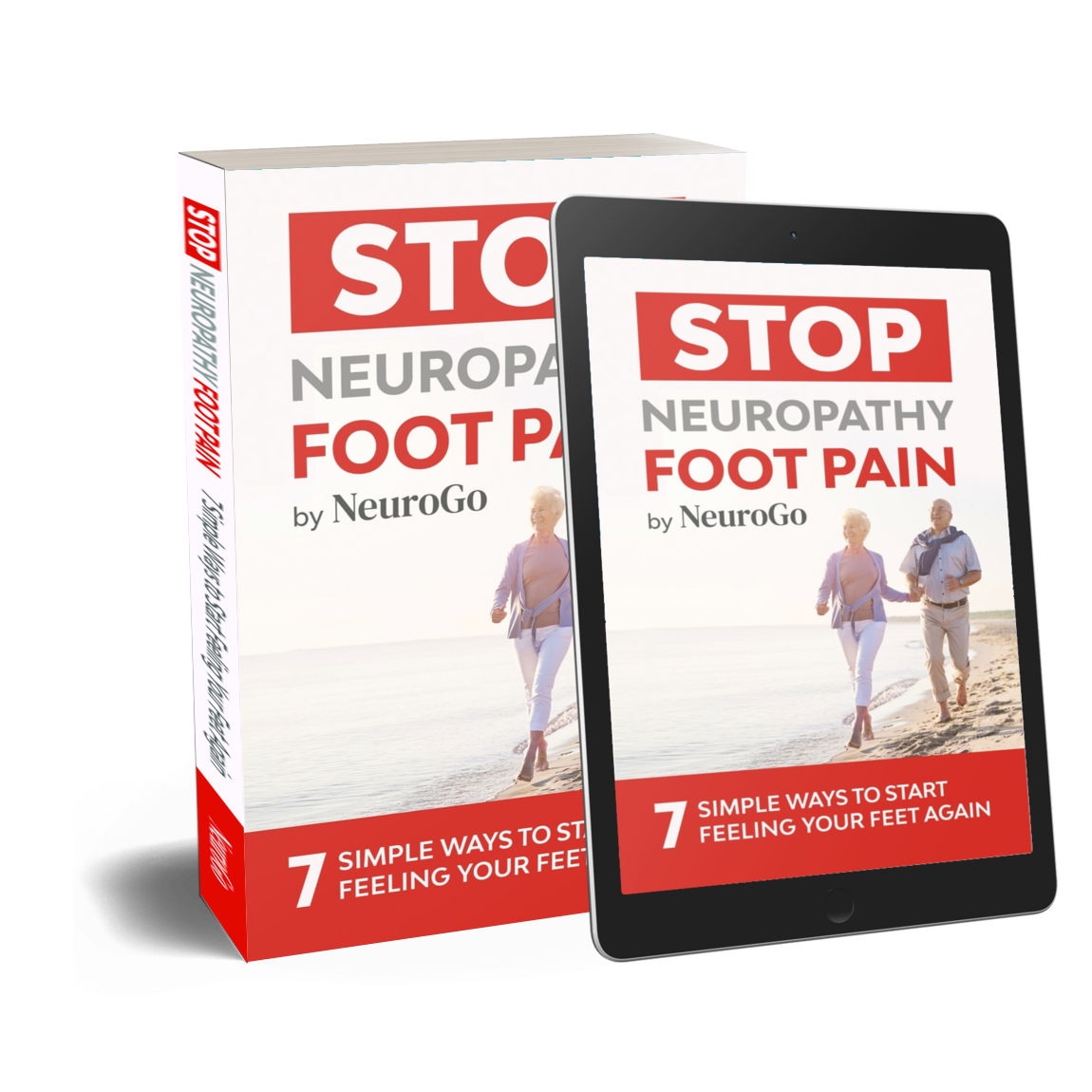
Stop Neuropathy Foot Pain
Discover 7 simple ways to relieve the burning, tingling, and numbness in your feet — starting today.
Get Your Free Copy →